

Table of Contents
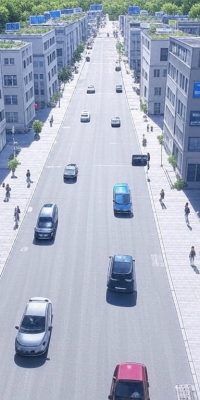
Building Smart Cities is a necessary step towards creating sustainable and technologically advanced urban environments. As the global population continues to grow, cities are facing increasing challenges related to traffic congestion, pollution, energy consumption, and public services. By integrating cutting-edge technologies such as artificial intelligence (AI), the Internet of Things (IoT), and big data, smart cities enhance efficiency, improve the quality of life, and create a more sustainable future. This transformation is not just about technology, but also about governance, infrastructure, and community engagement.
The Rise of Smart Cities
The rise of Building smart cities is no longer a futuristic concept but a reality of the present. Governments and urban planners worldwide are investing in technology-driven solutions to improve infrastructure, sustainability, and quality of life. A smart city integrates digital technology, data analytics, and automation to create an efficient and interconnected urban environment. These advancements help tackle challenges such as traffic congestion, pollution, and inefficient resource use, ultimately building a smarter and more sustainable urban future.
The Role of Technology in Smart Cities
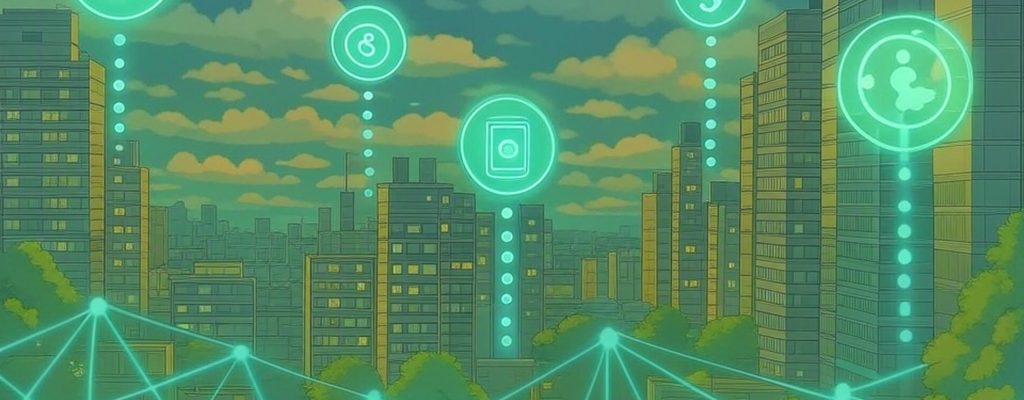
Building smart cities requires leveraging advanced technologies such as the Internet of Things (IoT), Artificial Intelligence (AI), and big data. These innovations help improve traffic management, energy consumption, and public services, making cities more liveable and environmentally friendly. IoT devices enable real-time data collection, AI-driven automation enhances efficiency, and big data analytics provide valuable insights for city planning and operations. By integrating these technologies, cities can provide seamless services while improving resource management and reducing waste.
Sustainable Infrastructure and Green Energy
Building smart cities focuses on sustainability by incorporating renewable energy sources, smart grids, and green buildings. Smart cities aim to reduce carbon footprints and enhance energy efficiency, addressing the needs of a growing population while ensuring long-term environmental benefits. Solar and wind energy, energy-efficient lighting, and water conservation systems play a vital role in maintaining a sustainable urban environment. Additionally, smart grids help balance energy supply and demand, reducing overall consumption and reliance on non-renewable resources.
Smart Mobility and Transportation
Building smart cities enhances transportation systems by integrating intelligent traffic solutions and smart mobility options. Real-time data collection, autonomous vehicles, and smart public transportation networks improve the travel experience and reduce congestion in metropolitan areas. Cities are attempting to create more efficient and environmentally friendly transportation options by adopting AI-powered traffic management systems, smart parking solutions, and electric vehicle infrastructure. These innovations not only reduce congestion but also help in decreasing carbon emissions and fuel consumption.
Enhancing Security and Public Safety

The construction of smart cities also strengthens safety and public security through monitoring systems, AI-driven crime prevention, and emergency response mechanisms. Connected sensors and data-driven insights help law enforcement agencies and disaster management teams effectively respond to urban challenges. Through the use of facial recognition, predictive analytics, and smart alarms, officials can actively prevent crimes, ensure better public management, and improve emergency preparedness, making cities safer for citizens and visitors.
Smart Healthcare Solutions
The construction of smart cities improves healthcare services by implementing telemedicine, AI diagnostics, and smart health monitoring systems. These technological advancements ensure better access to medical care, reduce the burden on hospitals, and enhance overall public health outcomes. Wearable health devices, remote patient monitoring, and AI-driven diagnostics enable early detection of diseases and personalized treatment plans. Furthermore, digital health records and smart hospital management systems streamline healthcare operations, improving efficiency and patient care.
Economic Growth and Digital Innovation
The construction of smart cities promotes economic development by attracting businesses, startups, and investors. With a highly digitalized infrastructure, smart cities create a thriving ecosystem for innovation, entrepreneurship, and job opportunities, thus boosting economic growth. Technology hubs, incubation centres, and digital workspaces encourage collaboration and creativity, leading to new business models and revenue streams. As cities become smarter, they become more attractive to global investors, accelerating economic progress.
Citizen Engagement and E-Governance
The construction of smart cities promotes digital governance and citizen participation through e-governance platforms, smart apps, and open data initiatives. These tools empower residents to engage in decision-making processes, increasing transparency and efficiency in government services. Smart governance systems provide seamless access to essential services such as digital identity verification, tax payments, and public feedback mechanisms. By enhancing communication between citizens and authorities, smart cities strengthen democratic participation and accountability.
Challenges and Considerations
The construction of smart cities presents challenges, including high implementation costs, cybersecurity threats, and concerns regarding data privacy. Addressing these issues requires collaborative efforts among governments, technology providers, and stakeholders to build a safe and inclusive smart urban ecosystem. Strong cybersecurity measures, regulatory frameworks, and ethical data usage policies are essential to ensure that smart city technologies benefit all citizens without compromising their privacy and security.
The Future of Smart Cities
The construction of smart cities is key to a sustainable, efficient, and technologically advanced urban future. As more cities embrace digital transformation, the vision of smart, connected, and ecologically friendly urban environments is becoming a reality, reshaping how people live, work, and interact in modern societies. By continuously innovating and addressing urban challenges, smart cities will pave the way for a more sustainable and inclusive future for generations to come.
Conclusion
Building smart cities is not just about adopting technology, but about building an intelligent, sustainable, and inclusive urban ecosystem. As cities grow, they should prioritize smart solutions that strike a balance between efficiency, safety, and environmental responsibility. By integrating innovative technologies, promoting community engagement, and ensuring sustainable development, smart cities can provide a high quality of life for their residents. The journey of smart urban life has already begun, and with continuous innovation and collaboration, the cities of tomorrow will be smarter, greener, and more connected than ever before.